
Getting a tattoo is a big decision, but sometimes life takes unexpected turns, and you might find yourself wanting to erase that ink. Laser tattoo removal offers a safe and effective solution, but it's not a quick fix. This process typically involves multiple sessions spaced apart, each targeting the tattoo's ink with a focused laser beam.
Stage 1: Consultation & Preparation
Your journey begins with a consultation with a qualified dermatologist or plastic surgeon. They'll assess your tattoo, its colors, depth, and location, and discuss your goals. This consultation is vital for understanding the removal process, expected outcomes, and potential risks.
Stage 2: The First Treatment
During the first treatment, the laser emits concentrated beams of light that break down the tattoo ink into tiny particles. Your body's immune system then removes these particles naturally. You might experience mild discomfort, similar to a rubber band snapping, and some redness and swelling afterward.
Stage 3: Healing & Repeat Treatments
The healing process takes a few weeks, during which time you'll need to follow your doctor's instructions for aftercare. This might include keeping the treated area clean, applying antibiotic ointment, and avoiding sun exposure.
Stage 4: Subsequent Sessions & Results
Laser tattoo removal usually requires several sessions, typically spaced 4 to 8 weeks apart. Each session targets the remaining ink particles, gradually fading the tattoo. The number of sessions depends on various factors, including tattoo size, ink type, and skin tone.
Important Considerations:
Not all tattoos are created equal: The color and depth of the ink affect the removal process. Darker colors, such as black, are typically easier to remove than lighter colors.
Individual responses vary: While some people experience noticeable fading after just a few treatments, others may require more sessions.
Maintenance is key: After removal, it's essential to protect the treated area from the sun to prevent the skin from becoming discolored.
Laser tattoo removal is a journey, not a destination. Patience, proper care, and communication with your doctor will lead you towards a clean slate. Remember, this is a collaborative process, so don't hesitate to ask questions and address any concerns you have.
Friday, November 8, 2024

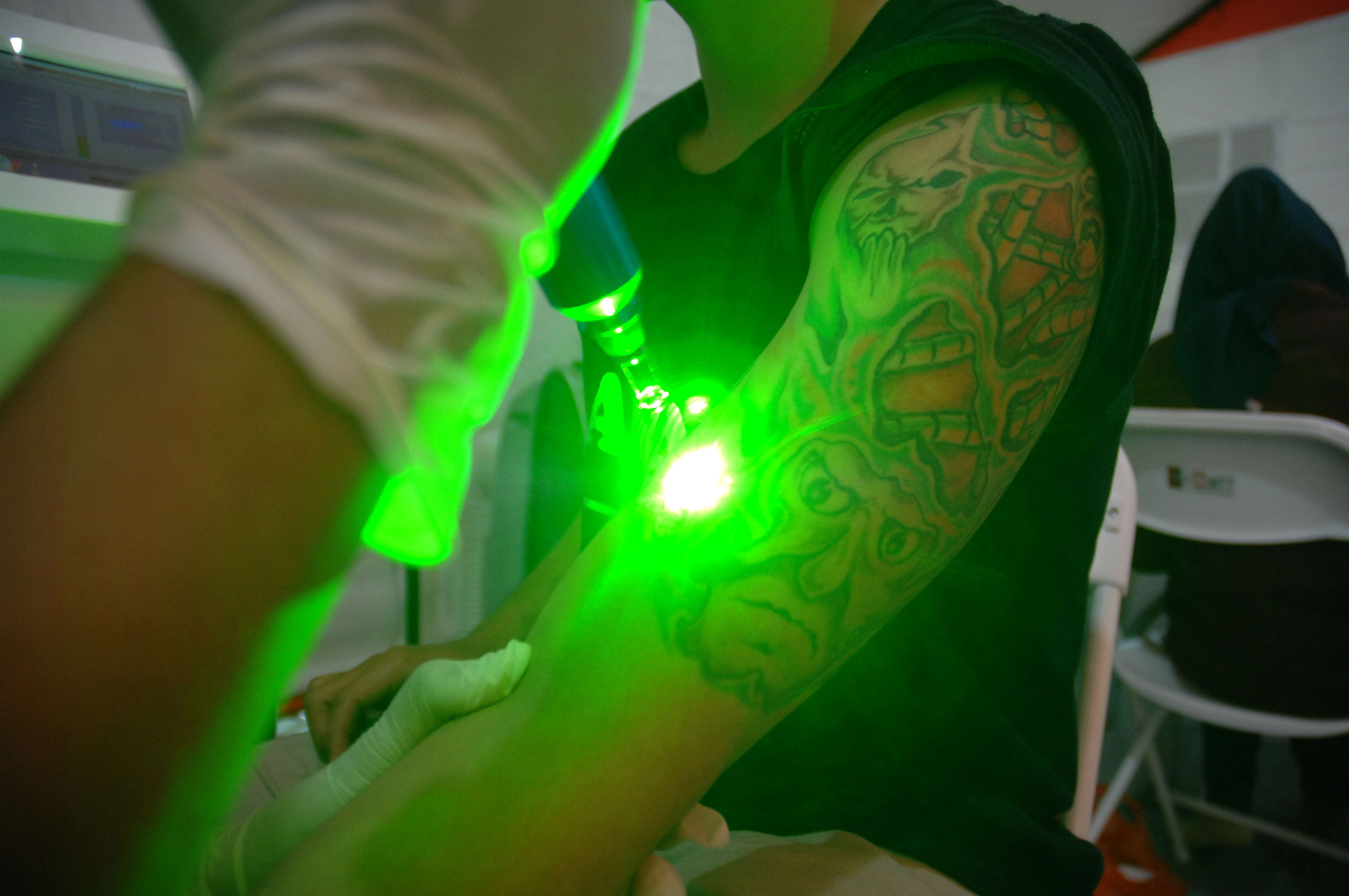
Tired of your old tattoo? Laser tattoo removal offers a safe and effective way to erase unwanted ink. But navigating the world of lasers can be confusing. This guide breaks down the common types of laser technology used for tattoo removal, helping you make an informed decision:
1. Q-Switched Lasers:
The most popular type, Q-Switched lasers emit high-energy pulses of light that target the tattoo pigment. The light is absorbed by the ink, breaking it down into smaller particles that are then eliminated by your body's natural processes.
Types:
Nd:YAG: Effective on dark inks, including black, blue, and green.
Alexandrite: Best for red and yellow inks.
Picosecond Lasers: A newer technology that delivers even shorter, more powerful pulses, potentially leading to faster removal and less scarring.
2. Fractional Laser:
This technique uses a laser to create small, controlled wounds in the skin, stimulating collagen production. While it doesn't directly target the ink, it can help break down the tattoo's structure and make it less visible, particularly for older, faded tattoos.
3. Other Emerging Technologies:
Plasma Ablation: This non-laser technique uses a plasma beam to remove tattoo pigment, potentially causing less scarring than traditional lasers.
Photoacoustic Tattoo Removal: This method uses sound waves to break down tattoo ink. It is still in early development but shows promise.
Choosing the Right Technique:
The best laser for you depends on various factors, including:
Ink colors: Different lasers are more effective at targeting specific colors.
Tattoo depth: Deeper tattoos require more treatments.
Skin type: Your skin tone and sensitivity can influence treatment options.
Important Considerations:
Find a qualified professional: Choose a board-certified dermatologist or plastic surgeon with experience in laser tattoo removal.
Multiple treatments are required: It usually takes several sessions to fully remove a tattoo, with spacing of several weeks between treatments.
Potential side effects: These include redness, swelling, blistering, and scarring.
Laser tattoo removal is a complex process that requires careful planning and expert execution. Consulting with a qualified professional can help you understand the various techniques and make the best decision for your specific needs.
Thursday, November 7, 2024
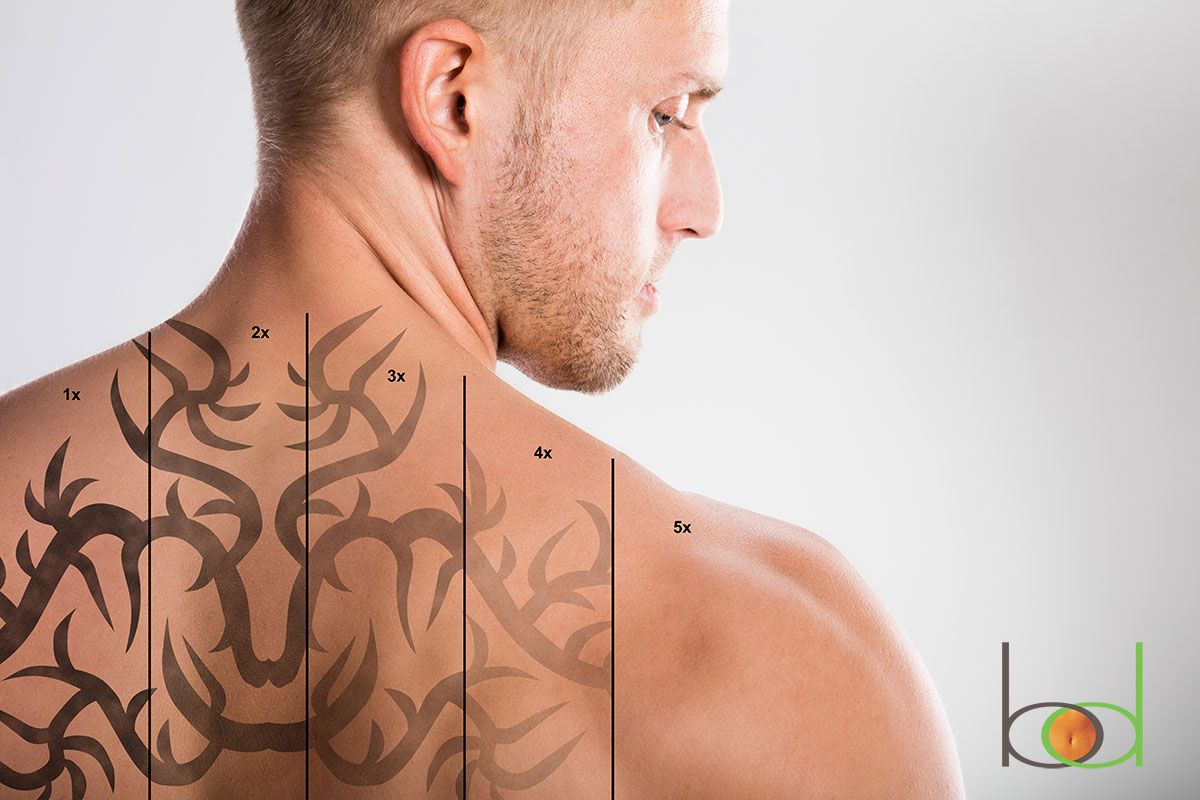
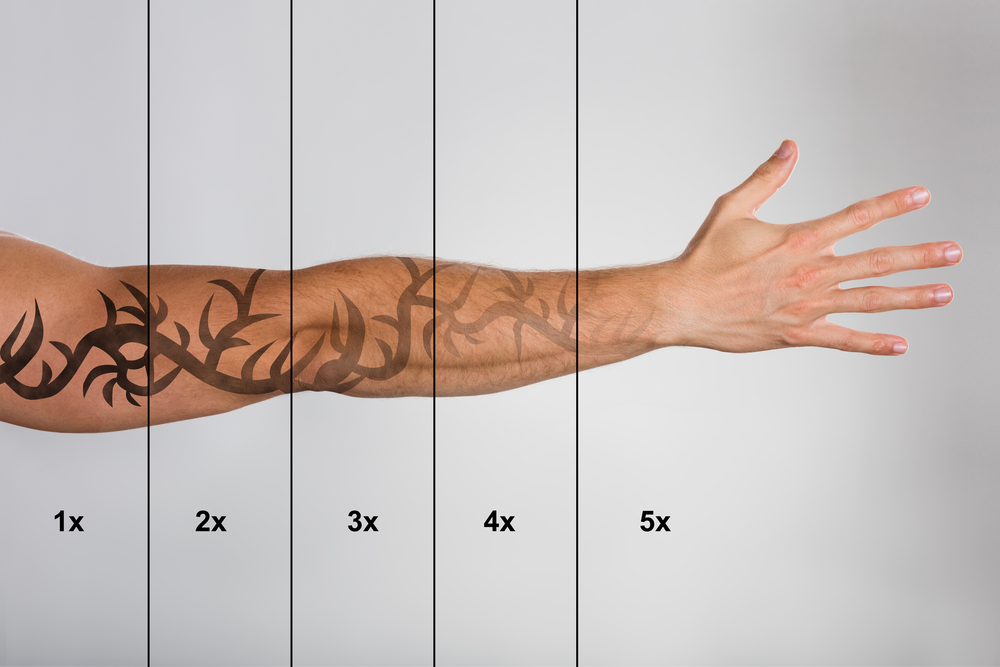
Tattoos, once a symbol of individuality, can sometimes become a regretful mark on your skin. Fortunately, laser tattoo removal offers a safe and effective solution to erase unwanted ink. But before you book your appointment, here's what you need to know:
How Does Laser Tattoo Removal Work?
Laser tattoo removal uses concentrated beams of light to break down the ink pigments in your skin. The laser targets specific colors, shattering the ink particles into tiny fragments that are then naturally absorbed by your body.
What to Expect During Treatment:
Multiple Sessions: Laser tattoo removal is a gradual process. Most tattoos require several sessions spaced a few weeks apart.
Discomfort: You'll likely experience some discomfort, similar to a rubber band snapping against your skin.
Redness and Swelling: These are normal side effects that usually subside within a few days.
Skin Color Change: The treated area may become lighter or darker temporarily.
Factors Affecting Success:
Tattoo Color: Darker inks like black and blue are easier to remove than lighter colors.
Tattoo Age: Older tattoos tend to be more difficult to remove.
Skin Type: Individuals with fair skin often experience better results.
Tattoo Artistry: Professionally-done tattoos with solid ink distribution generally respond better.
Choosing a Reputable Provider:
Certified Medical Professionals: Seek out a qualified dermatologist, plastic surgeon, or licensed medical spa with experienced technicians.
Modern Equipment: Ensure they use FDA-approved lasers designed for tattoo removal.
Consultation: Schedule a consultation to discuss your tattoo and receive realistic expectations about treatment.
Beyond the Treatment:
Sun Protection: Avoid sun exposure on the treated area to prevent hyperpigmentation.
Aftercare Instructions: Follow your provider's instructions meticulously for optimal healing and minimizing risks.
Cost Considerations:
Number of Sessions: The more sessions needed, the higher the cost.
Tattoo Size: Larger tattoos require more time and laser energy.
Location: Costs vary depending on your geographic location.
Laser tattoo removal can be an excellent option to reclaim your skin. With proper research, realistic expectations, and a reputable provider, you can bid farewell to your unwanted ink and embrace a fresh canvas.

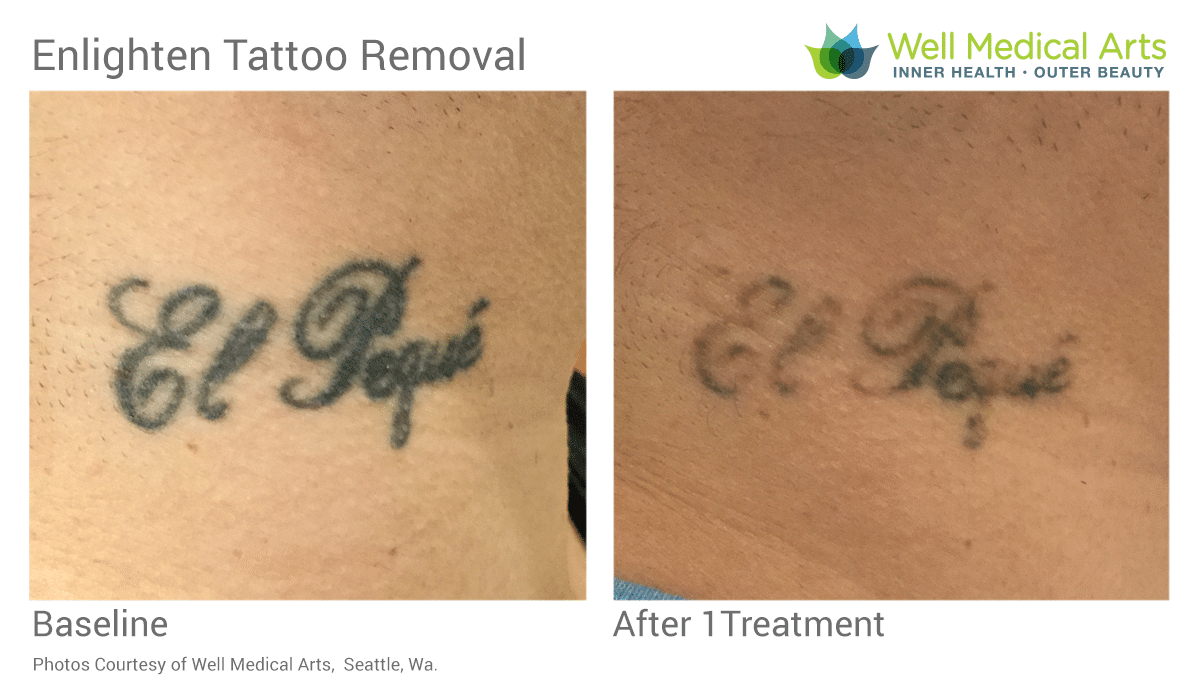
Embarking on laser tattoo removal is a significant decision, and preparing for your first session is crucial for a smooth and successful experience. Here's a detailed guide to help you get ready:
1. Consult with a Qualified Professional:
Choose a reputable clinic: Research laser tattoo removal clinics in your area, read online reviews, and choose one with certified technicians and a proven track record.
Schedule a consultation: This initial meeting is vital. The technician will assess your tattoo, discuss your goals, and answer any questions you may have about the process, risks, and expected outcome.
2. Pre-Treatment Preparation:
Avoid sun exposure: Sun exposure can make your skin more sensitive, making the treatment less effective and increasing the risk of complications. Wear sunscreen and avoid tanning beds for at least two weeks before your session.
Stop using certain medications: Inform your technician about any medications you're taking, as some can interfere with the treatment. They may advise you to temporarily stop taking medications like blood thinners or certain antibiotics.
Shave the area: The technician will likely shave the tattoo area before the procedure, so make sure it's clean-shaven beforehand.
Hydrate well: Drink plenty of water in the days leading up to your appointment to keep your skin hydrated.
3. During the Session:
Wear comfortable clothing: Choose loose-fitting clothes that allow for easy access to the tattooed area.
Expect some discomfort: Laser tattoo removal can cause a stinging or burning sensation. The technician may use a topical numbing cream to minimize discomfort.
Communicate with your technician: If you experience any unusual pain or discomfort, don't hesitate to let them know.
4. Post-Treatment Care:
Follow instructions: Your technician will provide detailed instructions on how to care for the treated area after the session. This may include applying a cooling compress, keeping the area clean, and using prescribed creams.
Expect some redness and swelling: It's normal for the treated area to be red and swollen after a session. This should subside within a few days.
Avoid sun exposure: Protecting the treated area from the sun is crucial, as it can lead to pigmentation changes. Wear sunscreen with an SPF of 30 or higher.
5. Be Patient:
Multiple sessions are usually needed: It typically takes multiple sessions to remove a tattoo completely, with each session targeting deeper layers of ink.
Results will gradually improve: You may not see significant results immediately, but the tattoo should gradually fade with each session.
Laser tattoo removal can be an effective way to remove unwanted ink, but it's important to prepare for the process and follow your technician's instructions carefully. By following these steps, you can ensure a safe and successful treatment journey.
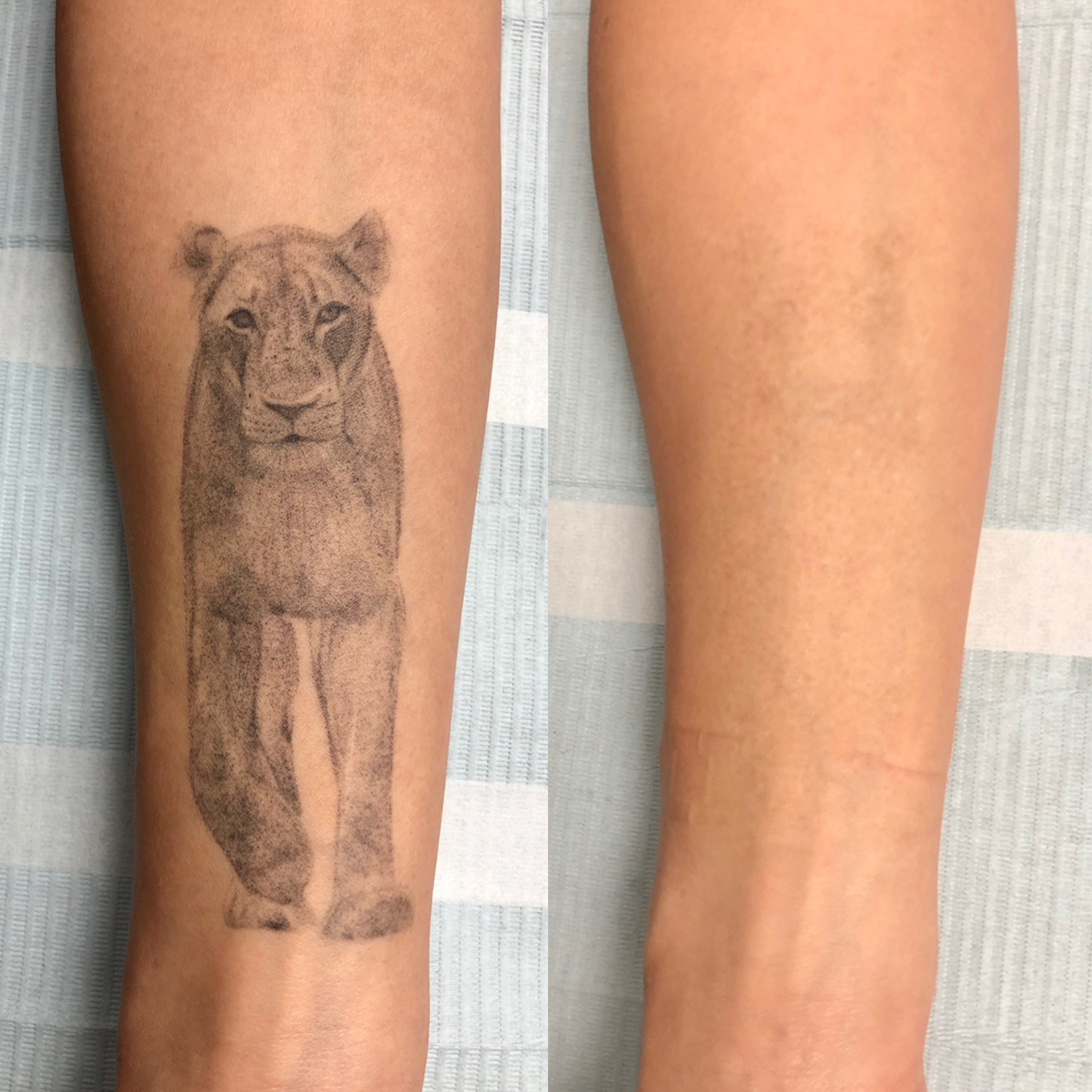
Tired of that tattoo you once loved? Tattoo removal laser therapy can help you erase the past and start fresh. But before you book an appointment, it's crucial to understand the cost factors involved.
The Price Tag: Not a One-Size-Fits-All
Tattoo removal laser therapy isn't a one-time treatment. Multiple sessions are usually required, and the cost varies significantly depending on several factors:
Tattoo Size and Complexity: Smaller, simpler tattoos are generally less expensive to remove. Larger, intricate designs will require more treatments and, therefore, a higher overall cost.
Ink Color: Black ink is typically easier to remove than colored inks, which can sometimes require more sessions.
Skin Tone: Lighter skin tones respond better to laser treatment, while darker skin tones may require more sessions and specialized techniques.
Tattoo Age: Older tattoos tend to fade faster, requiring fewer treatments.
Location: Laser therapy prices can vary depending on your geographic location and the clinic's pricing structure.
Clinic Experience: Experienced practitioners with advanced laser technology might charge higher fees.
Understanding the Process:
Laser removal therapy works by breaking down the tattoo ink particles into smaller fragments that the body naturally absorbs. The treatment involves brief pulses of concentrated light that target the ink.
Cost Breakdown and Budgeting:
While it's impossible to provide an exact price without a consultation, you can expect to pay anywhere from $150 to $500 per treatment session. Multiple sessions, often spaced several weeks apart, are necessary for complete removal.
Cost-Effective Options:
Consult Multiple Clinics: Get quotes from different clinics to compare pricing and treatment plans.
Ask about Packages: Some clinics offer package deals for multiple sessions, which can provide savings.
Financing Options: Many clinics offer financing plans to help you manage the cost of treatment.
The Bottom Line:
Tattoo removal laser therapy is a significant investment, but it can be a worthwhile option to regain control over your body art. By understanding the factors influencing cost and exploring different options, you can make an informed decision and achieve your desired results.
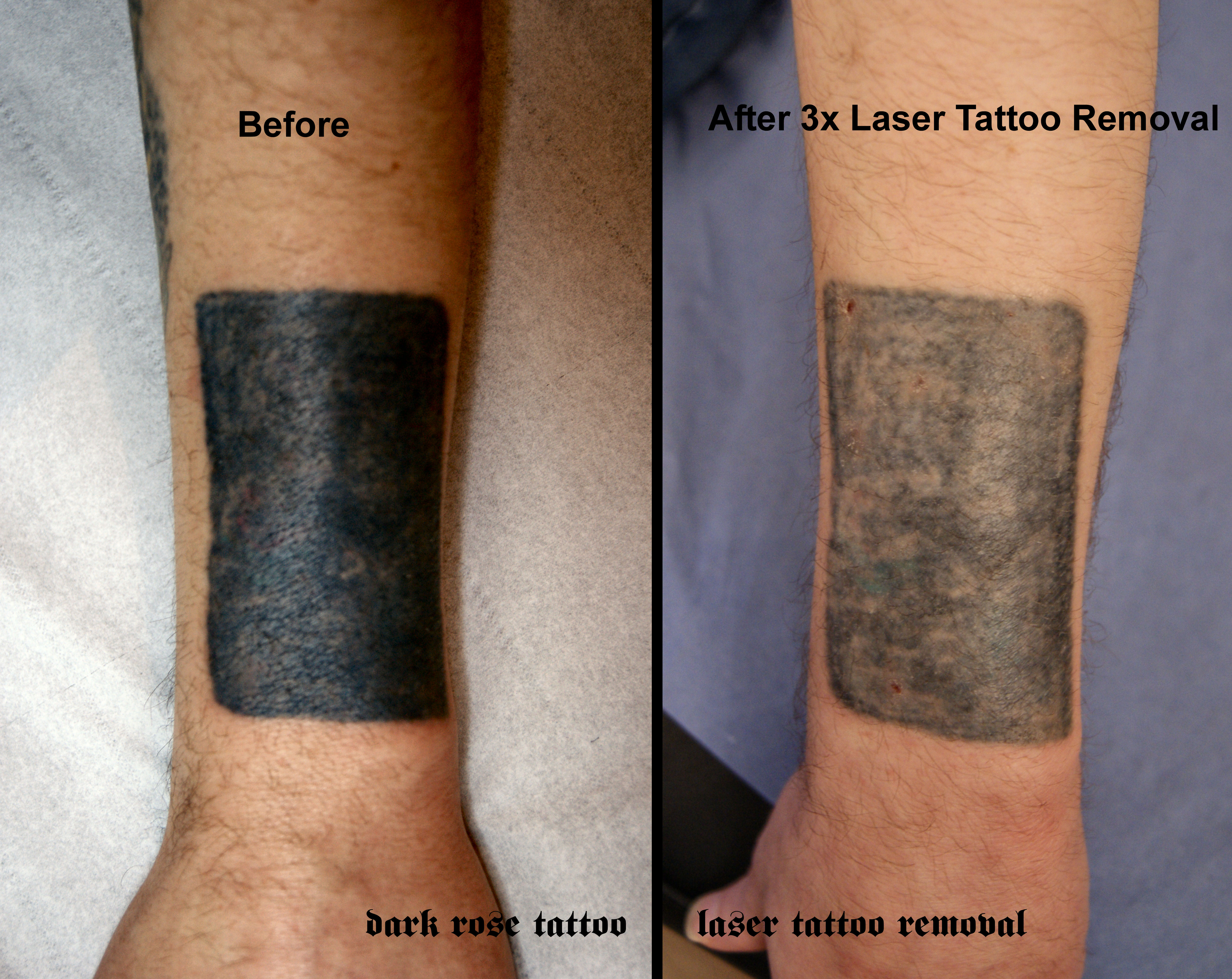
Ready to say goodbye to your unwanted ink? Laser tattoo removal is a popular choice, but understanding the process is key. This breakdown will equip you with the knowledge to navigate each session and achieve your desired results.
What Happens During Each Session?
Laser tattoo removal works by targeting the ink with concentrated beams of light. These beams break down the ink particles, which are then absorbed by your body's immune system.
The Process:
1. Preparation: The technician will cleanse the tattoo area and apply a topical anesthetic.
2. Laser Treatment: The laser is applied to the tattoo, emitting pulses of light that break down the ink.
3. Cooling: Immediately after treatment, the area is cooled with a cold compress to reduce discomfort and swelling.
What You Can Expect:
Discomfort: Expect some stinging or burning sensation during the procedure. The level of discomfort varies depending on the tattoo's size, location, and individual pain tolerance.
Appearance: The tattoo will appear darker immediately after treatment, but this fades within a few days. You might notice some redness, swelling, or blistering.
Healing: The treated area will need several days to heal, much like a sunburn. Avoid sun exposure and keep the area clean and moisturized.
How Many Sessions are Needed?
The number of sessions required for complete tattoo removal varies greatly depending on factors like:
Tattoo size and color: Larger, darker tattoos often require more sessions.
Ink type: Some inks are more resistant to laser treatment.
Skin type: Individuals with lighter skin may need fewer sessions.
Important Considerations:
Find a qualified technician: Research experienced professionals specializing in laser tattoo removal.
Follow aftercare instructions: Adhering to post-treatment advice ensures optimal healing and results.
Patience is key: Laser tattoo removal is a gradual process, and seeing significant results may take several sessions.
Ready to start your tattoo removal journey? Schedule a consultation with a qualified professional to discuss your specific needs and expectations.

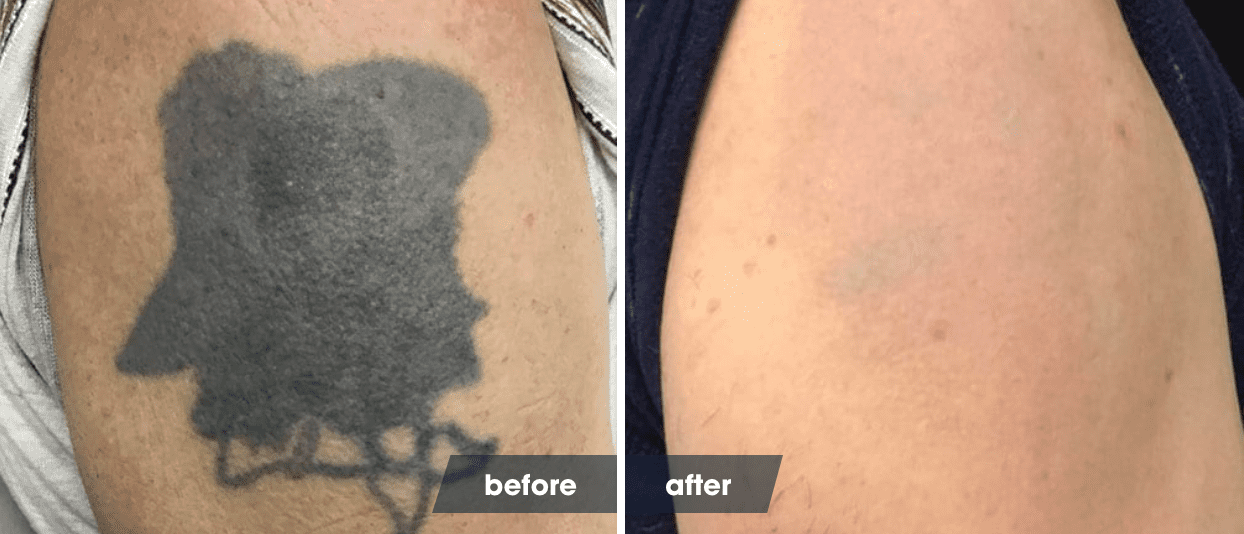
You've decided to say goodbye to your tattoo, and laser removal is the most effective way to do it. But how long does it take, and are there any tips to speed up the process?
The Truth About Timelines
Unfortunately, there's no magic number. Laser tattoo removal is a gradual process, typically requiring multiple sessions spread over months or even years. Several factors influence the time frame:
Tattoo size and complexity: Smaller, simpler tattoos fade faster than large, intricate ones.
Ink color: Black ink absorbs laser energy well, while colors like red and yellow are more resistant.
Skin type: Lighter skin tones tend to heal faster.
Individual healing response: Everyone's body heals at its own pace.
Boosting Your Removal Journey
While the process takes time, here are some actionable tips to help you see faster results:
Choose a reputable clinic: Experience matters. Seek out a clinic with certified technicians and advanced laser technology.
Follow aftercare instructions diligently: This includes keeping the treated area clean, avoiding sun exposure, and using recommended products.
Maintain a healthy lifestyle: Staying hydrated, eating a balanced diet, and getting enough sleep supports healing and promotes faster results.
Consider touch-up sessions: These can be crucial for removing stubborn ink and achieving optimal results.
Realistic Expectations
Remember, laser tattoo removal is a journey, not a sprint. Be patient and trust the process. Your technician will guide you through each step, and you'll notice progress with each session.
Beyond the Basics:
Research different laser types: Different lasers are more effective for different inks.
Ask about pain management: Discomfort can be minimized with topical creams or other pain relief options.
Stay informed about the latest advancements: The field of laser tattoo removal is constantly evolving.
By taking these steps and remaining realistic, you can achieve the desired results and confidently embrace your ink-free future!