Sunday, January 26, 2025

Tattoo Fading with Aloe Vera: A Safe Home Remedy

Tattoo Fading with Aloe Vera: A Safe Home Remedy?

Hey everyone! So, you've got a tattoo that's seen better days, huh? Maybe the colors are a little duller than they used to be, or maybe you're just not feeling that design anymore. Whatever the reason, you're looking for ways to lighten it up, and you've stumbled upon the idea of using aloe vera. That's great! Aloe vera is a pretty amazing plant with tons of benefits for the skin. But does it actually work for fading tattoos? Let's dive in and explore this home remedy together.

Understanding Tattoo Fading

Before we get into the aloe vera aspect, let's talk about why tattoos fade in the first place. It's not just about time, you know. Several factors contribute to how quickly (or slowly!) your ink fades:

Sun Exposure

This is probably the biggest culprit. UV rays from the sun literally break down the ink particles in your skin. Think of it like leaving a vibrant painting outside in the sun for years â€" the colors are going to lose their intensity. Always use a high SPF sunscreen on your tattoos, even on cloudy days!

Skin Cell Turnover

Your skin is constantly renewing itself. Old skin cells die and are replaced by new ones. As this happens, the ink particles that are embedded in the dermis (the second layer of your skin) gradually move up and are eventually shed. This process is slow, but it contributes to the overall fading of a tattoo.

Ink Quality and Placement

Believe it or not, the quality of the ink used matters. Some inks are more resistant to fading than others. Similarly, the placement of your tattoo can influence fading. Areas that experience more friction (like your hands or feet) tend to fade faster.

Individual Factors

Your body's unique metabolism and overall health can also play a role. Some people naturally experience faster skin cell turnover than others, leading to quicker tattoo fading.

Aloe Vera: The Potential Helper

So, how does aloe vera fit into all this? Aloe vera is known for its soothing and healing properties. It contains various compounds that might indirectly contribute to tattoo fading, but it's not a magic eraser.

What Aloe Vera Does

Aloe vera's benefits mainly lie in its ability to:

  • Soothe irritated skin.
  • Promote healing and reduce inflammation.
  • Improve skin hydration.

In the context of tattoos, a well-hydrated, healthy skin surface might slightly accelerate the natural fading process by supporting healthy skin cell turnover. However, it's important to remember that this effect is likely minimal and not a primary method of tattoo removal.

How to Use Aloe Vera on Your Tattoo

If you want to try using aloe vera on your tattoo, here's how:

  1. Choose a good quality aloe vera gel: Opt for pure aloe vera gel, ideally one that's 100% aloe vera and doesn't contain added fragrances or preservatives. You can use fresh aloe vera gel directly from the plant if you have one, or you can buy a gel from a health food store or pharmacy.
  2. Cleanse your tattoo: Before applying the gel, gently cleanse your tattoo with mild soap and water. Pat it dry.
  3. Apply the gel: Apply a thin layer of aloe vera gel to your tattoo. Gently massage it into the skin.
  4. Repeat daily: For best results, apply aloe vera gel to your tattoo once or twice daily.
  5. Monitor for reactions: Always be mindful of any allergic reactions. If you notice any irritation, redness, or itching, discontinue use immediately.

Remember, using aloe vera won't dramatically fade your tattoo overnight. It's more of a supportive measure that could potentially contribute to a slightly faster natural fading process. It's also a great way to keep your skin hydrated and healthy, which is important for any tattoo, regardless of whether you're trying to fade it.

Realistic Expectations

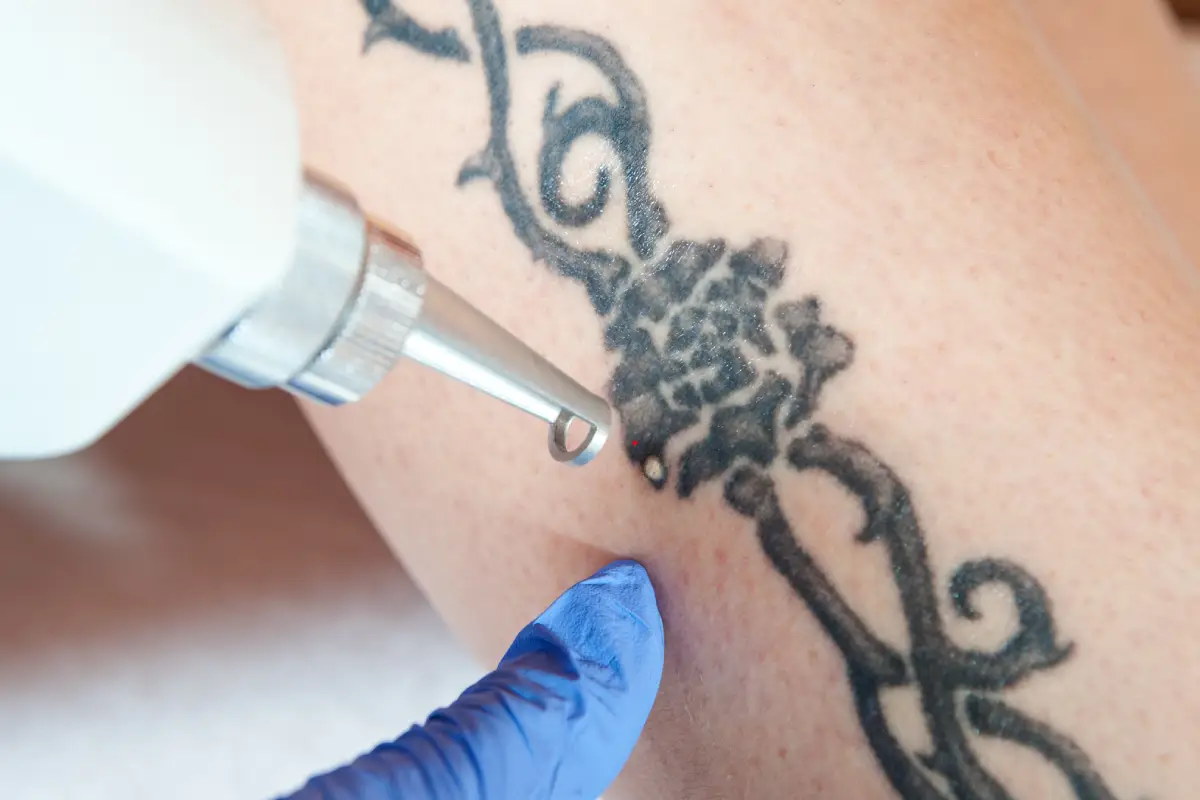
Let's manage expectations here. Aloe vera is not a tattoo removal method. If you're looking for significant tattoo fading or complete removal, you'll need professional methods like laser removal. Laser removal is expensive, but it's effective and delivers the results you're aiming for. Aloe vera can be a helpful addition to your skincare routine, particularly if your tattoo is irritated or sunburned, but it won't magically erase your ink.

Other Factors to Consider

While aloe vera might offer some minor benefits, other lifestyle choices have a much bigger impact on tattoo fading. These include:

  • Sun Protection: This is absolutely crucial. Consistent use of a high SPF sunscreen is the single most effective way to slow down tattoo fading.
  • Hydration: Drinking plenty of water keeps your skin hydrated and healthy, which indirectly supports skin cell turnover and helps maintain the vibrancy of your tattoo (or at least slows the fading).
  • Diet: A healthy diet rich in antioxidants can contribute to overall skin health. Antioxidants help protect your skin from damage caused by free radicals, which can contribute to fading.
  • Avoid Abrasive Cleaners: Harsh soaps and chemicals can irritate the skin and potentially speed up fading.

Frequently Asked Questions

Q: Will aloe vera remove my tattoo completely?

A: No, aloe vera will not remove your tattoo completely. It might slightly accelerate the natural fading process due to its moisturizing and skin-soothing properties, but it's not a substitute for professional tattoo removal methods.

Q: How long does it take to see results using aloe vera?

A: You won't see dramatic results quickly. Any fading will be gradual and depend on various factors like sun exposure, skin type, and the tattoo itself. It's more about maintaining healthy skin and potentially slowing down the natural fading process.

Q: Can I use aloe vera on a newly tattooed skin?

A: While aloe vera has soothing properties, it's best to follow your tattoo artist's aftercare instructions. They usually recommend specific products for the initial healing period, and introducing other products could potentially irritate the fresh tattoo.

Q: Are there any side effects to using aloe vera on a tattoo?

A: While generally safe, some individuals might experience allergic reactions like redness, itching, or irritation. If you notice any of these symptoms, discontinue use immediately. Always test a small area first before applying it liberally.

Q: Is aloe vera better than other home remedies for tattoo fading?

A: There are various home remedies claimed to help with tattoo fading, but none are scientifically proven to be significantly effective. Aloe vera is relatively safe and has skin-soothing properties, but it’s not a miracle cure.

Remember, always consult with a dermatologist or your tattoo artist before trying any new home remedies on your tattoo, especially if you have sensitive skin or pre-existing skin conditions. They can offer personalized advice and help you make the best choices for your skin and your ink!

Saturday, January 18, 2025

Tattoo Removal at Home: Natural Ingredients to Try

Tattoo Removal at Home: Natural Ingredients to Try

The popularity of tattoos has surged in recent decades, leading to a corresponding increase in individuals seeking tattoo removal. While professional laser removal remains the gold standard for effective and safe tattoo eradication, the high cost and potential side effects have driven many to explore alternative, at-home methods. This exploration often focuses on natural ingredients purported to lighten or fade tattoos. It is crucial to understand that while some anecdotal evidence suggests a degree of lightening, no natural method can completely remove a tattoo. The following information is for educational purposes only and should not be considered a substitute for professional medical advice. Always consult a dermatologist or qualified medical professional before attempting any at-home tattoo removal methods.

Understanding Tattoo Ink and Skin

Before delving into potential home remedies, it's essential to understand the process of tattooing and the limitations of natural treatments. Tattoo ink is injected into the dermis, the second layer of skin, where it remains relatively stable. Natural ingredients primarily work on the epidermis, the outer layer of skin. This difference in depth of action is why complete tattoo removal with natural methods is improbable.

Furthermore, the composition of tattoo ink varies significantly. Some inks are more easily affected by light and other environmental factors than others. The age of the tattoo, the depth of ink penetration, and the individual's skin type all play a role in the effectiveness (or lack thereof) of any lightening treatment.

Natural Ingredients and Their Purported Effects

Numerous natural ingredients have been touted for their potential to lighten or fade tattoos. However, scientific evidence supporting their effectiveness is limited, and results, if any, are usually subtle and gradual. The mechanisms by which these ingredients are believed to work are often based on anecdotal evidence and traditional practices rather than rigorous scientific studies.

Aloe Vera

Aloe vera, known for its soothing and healing properties, is often suggested for tattoo aftercare and, in some circles, for fading. Its purported mechanism is related to its potential to stimulate skin cell regeneration, potentially leading to a gradual lightening of the ink over an extended period. However, there's no conclusive scientific evidence to support this claim for tattoo removal. While it may help with healing and reduce inflammation associated with the tattooing process, it's unlikely to significantly affect the ink itself.

Lemon Juice

Lemon juice contains citric acid, which is a known bleaching agent. Some believe that applying lemon juice directly to the tattoo might lighten the ink. However, this method carries significant risks. Direct application of lemon juice can cause skin irritation, photosensitivity (increased sensitivity to sunlight), and even scarring. The acidity can also damage the skin, and the potential benefits are far outweighed by the dangers. It is strongly advised against using lemon juice for tattoo removal.

Onion Extract

Onion extract contains various compounds, some of which have shown anti-inflammatory and antioxidant properties in laboratory settings. These properties are sometimes suggested as a mechanism for potential tattoo lightening. Again, however, there is a lack of scientific research to support the claim that onion extract can effectively remove or lighten tattoos. Furthermore, applying raw onion to the skin can be irritating and potentially damaging.

Vitamin E Oil

Vitamin E oil is often recommended for its moisturizing and skin-healing properties. Some believe its antioxidant capacity might contribute to a slight fading effect. While Vitamin E can benefit skin health, there is no evidence to suggest it plays a significant role in tattoo removal. Applying Vitamin E oil may help keep the tattooed skin moisturized, which is beneficial for overall skin health, but it won't remove the tattoo.

Sandalwood Paste

Sandalwood paste, traditionally used in skincare for its soothing and anti-inflammatory effects, has been proposed as a potential tattoo lightening agent. It's believed that its properties might help reduce inflammation and potentially improve skin tone, leading to a slight change in the tattoo's appearance. However, significant fading is not expected, and scientific evidence supporting this claim is limited.

Precautions and Considerations

Before attempting any at-home tattoo removal method using natural ingredients, consider the following:

  • Patch Test: Always perform a patch test on a small, inconspicuous area of skin before applying any substance to the entire tattoo. This helps identify any potential allergic reactions or irritations.
  • Sun Protection: Many natural ingredients, especially those with bleaching properties, can increase the skin's sensitivity to sunlight. Apply a high-SPF sunscreen liberally to protect the treated area from sun exposure.
  • Hygiene: Maintain impeccable hygiene throughout the process. Wash the treated area thoroughly with mild soap and water before and after application.
  • Persistence: If any lightening effect occurs, it will be gradual and may take months or even years. Do not expect quick results.
  • Professional Advice: Consult a dermatologist or qualified medical professional before starting any at-home tattoo removal attempt. They can advise on the suitability of these methods for your specific skin type and tattoo characteristics, and help you avoid potential complications.

Conclusion

While various natural ingredients are proposed for at-home tattoo removal, it's crucial to approach these methods with realistic expectations. No natural remedy can completely remove a tattoo. The claims surrounding the efficacy of these methods often lack robust scientific backing. The potential risks of skin irritation, infection, scarring, and photosensitivity should outweigh any perceived benefit. Professional laser tattoo removal remains the most effective and safest method for removing unwanted tattoos. If you're considering tattoo removal, consult a dermatologist or qualified medical professional to discuss your options and ensure you choose the best approach for your individual circumstances.

Why Pay for Laser Removal When You Can Do This at Home?

Why Pay for Laser Removal When You Can Do This at Home?

Let's be honest, laser hair removal is EXPENSIVE. Those salon appointments add up faster than you can say "ouch!" And while the results are often fantastic, the commitment â€" both financially and time-wise â€" can be a real deterrent. So, what's a budget-conscious beauty enthusiast to do? Well, before you completely write off silky smooth skin, let's explore some surprisingly effective (and wallet-friendly!) at-home hair removal methods that promise results that rival â€" or at least come close to â€" professional laser treatments. This isn't about replacing professional laser, but it's about exploring options that can significantly reduce hair growth and save you a bundle. Remember, consistency is key!

Understanding Hair Growth Cycles

Before we dive into the methods, it's crucial to understand something about your hair follicles. Hair grows in cycles: anagen (growth), catagen (transition), telogen (resting), and exogen (shedding). Laser hair removal works best on hair in the anagen phase. At-home methods won't target hair in the same way as a professional laser, but by understanding the cycles, you can maximize the effectiveness of your chosen method.

At-Home Hair Removal Methods That Deliver

While we can't promise the same precision and speed as a professional laser, several at-home techniques can significantly reduce hair growth over time. These methods require patience and consistency, but the savings and convenience are worth the effort.

1. Intense Pulsed Light (IPL) Devices

These handheld devices are probably the closest you'll get to at-home laser hair removal. They use intense pulsed light to target the melanin in hair follicles, essentially heating and damaging them to inhibit future growth. Many reputable brands offer IPL devices, and while they're a significant investment upfront, they're significantly cheaper than multiple professional laser sessions over time.

Pros: Relatively effective, convenient, long-term hair reduction.

Cons: Can be expensive initially, requires multiple treatments, may not be suitable for all skin tones.

2. Epilators

Epilators are electric devices that use rotating tweezers to pluck hairs from the root. While it might sound painful (and it can be, initially!), many find epilators become less uncomfortable with continued use. The key advantage? It lasts much longer than shaving or waxing, offering several weeks of smooth skin.

Pros: Long-lasting results, relatively inexpensive after the initial purchase.

Cons: Can be painful, especially the first few times, requires some patience and skill.

3. Electrolysis

Electrolysis is a method that uses an electric current to destroy hair follicles individually. While historically done professionally, at-home electrolysis devices are becoming available. However, it's a much slower process than IPL and requires precision. Always follow the manufacturer's instructions carefully.

Pros: Permanent hair removal (theoretically), can be used on various hair and skin types.

Cons: Slow process, requires patience and accuracy, can be painful, potential for scarring if not done properly.

4. Sugaring

A natural alternative to waxing, sugaring uses a paste made from sugar, lemon juice, and water. The paste is applied to the skin and then removed, taking the hair with it. It's considered gentler than waxing and less likely to cause ingrown hairs. It won't reduce hair growth long-term like other methods but is a great way to maintain smooth skin between other treatments.

Pros: Natural ingredients, relatively painless, less likely to cause ingrown hairs.

Cons: Not as long-lasting as other methods, needs to be repeated frequently.

5. Threading

Threading is an ancient hair removal technique that uses twisted cotton thread to remove hair. It’s a very precise method, great for shaping eyebrows and removing hair from smaller areas. While not as effective for large areas, it can be incorporated as part of a larger hair-removal strategy.

Pros: Precise, natural, good for shaping.

Cons: Time-consuming, can be slightly painful, not ideal for large areas.

Important Considerations

Before you start experimenting with at-home hair removal, here are a few crucial things to keep in mind:

  • Skin type: Not all methods work well for all skin types. Read reviews and instructions carefully to ensure the method you choose is suitable for your skin.
  • Hair type: Thicker, coarser hair may require more powerful methods, while finer hair might respond well to gentler techniques.
  • Pain tolerance: Some methods are naturally more painful than others. Be honest with yourself about your pain tolerance.
  • Time commitment: At-home methods often require more time and consistency than professional treatments.
  • Potential side effects: Be aware of the potential side effects of each method, such as ingrown hairs, burns, or irritation. Always follow the instructions carefully.

Commonly Asked Questions

Q: Are at-home IPL devices as effective as professional laser hair removal?

A: While IPL devices can significantly reduce hair growth, they are generally not as powerful as professional lasers. You may need more treatments to achieve similar results.

Q: How often should I use at-home hair removal methods?

A: It depends on the method. IPL treatments are typically spaced several weeks apart, while epilating might be done every few weeks. Read the instructions for your specific device or method.

Q: Are there any risks associated with at-home hair removal?

A: Yes, there are risks such as burns, irritation, ingrown hairs, and allergic reactions. Always follow the instructions carefully and perform a patch test before using a new product.

Q: Can I use at-home methods on all areas of my body?

A: Some methods are better suited for specific areas. For example, epilators are not recommended for sensitive areas like the face.

Q: How much will at-home hair removal cost?

A: The cost varies greatly depending on the method chosen. Epilators and sugaring supplies are relatively inexpensive, while IPL devices represent a more significant upfront investment.

Ultimately, choosing the right at-home hair removal method is a personal decision. Weigh the pros and cons of each option, consider your budget and skin type, and remember that consistency is key to achieving noticeable results. While it may not be a perfect substitute for professional laser, it certainly offers a viable and more affordable alternative for many!

How to Remove Small Tattoos at Home Safely

The Quest for Tattoo Removal at Home: A Realistic Look

The allure of a quick fix is strong, especially when it comes to removing unwanted tattoos. Scrolling through social media, you might encounter countless home remedies promising effortless tattoo eradication. However, the reality is far more nuanced. While some methods can *slightly* lighten the appearance of a small tattoo, completely removing it at home without professional intervention is virtually impossible and often risky. This article will explore the limitations of at-home tattoo removal and highlight the potential dangers of attempting it. Remember, your skin's health is paramount â€" prioritize safety over quick results.

Understanding Why Home Remedies Fail

Tattoos work by injecting ink into the dermis, the deeper layer of your skin. Home remedies typically target the epidermis, the outermost layer. This fundamental difference explains why simple methods like scrubbing, applying abrasive substances, or using essential oils have negligible effects on the actual tattoo ink. While these might temporarily irritate the skin and perhaps slightly fade the superficial color, the deeply embedded ink remains unaffected. Moreover, aggressive scrubbing can cause scarring, infection, and other lasting damage far exceeding the inconvenience of a small tattoo.

The Dangers of DIY Tattoo Removal

Attempting to remove a tattoo at home can lead to a multitude of complications. Infection is a major concern, especially with methods involving open wounds or the use of unsterile tools. This can lead to severe skin infections, requiring medical attention and possibly leaving permanent scars. Scarring is another prevalent risk. Damaging the skin through aggressive scrubbing, chemical burns, or improper use of tools inevitably leads to scarring â€" a problem often worse than the initial tattoo. Furthermore, some home remedies utilize harsh chemicals that can cause allergic reactions or chemical burns, resulting in long-term skin damage and requiring extensive medical treatment.

Safe and Effective Tattoo Removal Options

While the temptation to remove a tattoo at home is understandable, it's crucial to prioritize your safety and seek professional help. Several proven methods are available through licensed dermatologists and cosmetic specialists:

  • Laser Removal: This is the gold standard, using targeted laser pulses to break down the ink particles, allowing your body to naturally eliminate them.
  • Surgical Excision: For small, superficial tattoos, surgical removal may be an option, but it typically leaves a scar.
  • Dermabrasion: This technique involves sanding the top layers of skin to remove the tattoo, but carries a higher risk of scarring.

These procedures are performed by qualified professionals in sterile environments, minimizing the risks associated with home remedies. Always consult a dermatologist to discuss your options and determine the best approach based on your specific tattoo and skin type.

Conclusion: Prioritize Safety

While the idea of removing a tattoo at home might seem appealing, the potential risks far outweigh any benefits. Instead of risking infection, scarring, and other complications, consult a dermatologist or cosmetic specialist for safe and effective tattoo removal. They can assess your tattoo and skin type to recommend the most appropriate procedure and ensure your safety throughout the process. Remember, your long-term skin health is worth prioritizing over a quick, potentially dangerous, solution.

Top 10 Ways to Remove Tattoos at Home You Need to Try Now!

Top 10 Ways to Remove Tattoos at Home You Need to Try Now!

Disclaimer: The following information is for educational purposes only and should not be interpreted as medical advice. Attempting to remove a tattoo at home using unconventional methods can lead to serious skin damage, infection, scarring, and other complications. Professional medical advice should always be sought before undertaking any tattoo removal procedure. The methods described below are not proven effective and are generally discouraged by dermatologists and medical professionals.

Understanding Tattoo Removal Challenges

Tattoo ink is intentionally designed to be deeply embedded within the dermis layer of the skin. This is why removing a tattoo is a challenging process, even for medical professionals utilizing advanced laser technology. Home remedies, lacking the precision and power of laser treatments, are significantly less effective and riskier. The body's immune system generally doesn't recognize tattoo ink as a foreign body to be eliminated, resulting in the permanence of the ink.

Many home remedies claim to lighten or fade tattoos, but the results are typically minimal and often inconsistent. Furthermore, the techniques themselves can pose a significant threat to the health and integrity of the skin.

Alleged Home Remedies: Proceed with Extreme Caution

Despite the inherent risks and low probability of success, various methods are purportedly capable of tattoo removal at home. It is crucial to remember that these claims lack scientific evidence and should be treated with the utmost skepticism. Any attempt to use these methods should be undertaken at your own risk, and professional medical attention should be sought immediately if any adverse reactions occur.

1. Salabrasion (Salt and Abrasion)

This method involves aggressively scrubbing the tattooed area with salt. It's believed that the abrasive action of the salt, combined with the hypertonic solution created by the salt and water, will somehow exfoliate the skin and remove the ink.

Risks:

Severe skin damage, including deep wounds and scarring, are highly likely. Infection is a significant risk due to the open wounds created. This method is extremely painful and can lead to permanent disfigurement.

2. Lemon Juice and Salt

This method proposes that the acidity of lemon juice, combined with the abrasive properties of salt, can lighten the tattoo. Proponents suggest applying a paste of salt and lemon juice to the tattoo and leaving it on for an extended period.

Risks:

Chemical burns from the citric acid in lemon juice are a major concern. The high acidity can damage the skin, leading to inflammation, blistering, and hyperpigmentation (darkening of the skin). Salt can further exacerbate skin irritation and damage.

3. Aloe Vera

Aloe vera is widely known for its soothing properties and is often used for various skin ailments. Some claim that its regenerative capabilities can somehow remove tattoo ink.

Risks:

While aloe vera is generally safe for topical application, it lacks the power to remove tattoo ink. Any apparent improvement is likely temporary and unrelated to the tattoo ink itself. Over-reliance on this method can delay proper treatment.

4. Baking Soda Paste

A paste of baking soda and water is sometimes recommended for tattoo removal. The idea is that the abrasive nature of baking soda will gradually remove the ink.

Risks:

Skin irritation and dryness are common side effects. The abrasive nature of baking soda can damage the skin's protective barrier, leading to increased sensitivity and susceptibility to infection. It will not remove the tattoo ink.

5. Surgical Excision

While not strictly a home remedy, some individuals might consider surgically excising the tattooed skin. This is extremely dangerous and should never be attempted outside of a sterile surgical environment performed by a qualified medical professional.

Risks:

Severe bleeding, infection, scarring, and permanent disfigurement are significant risks. Improper surgical techniques can lead to disastrous consequences, and without proper anesthesia, the pain would be excruciating.

6. Dermabrasion

Dermabrasion involves removing the outer layers of skin using a rotating wire brush. This is a medical procedure and not appropriate for home use.

Risks:

Severe scarring, infection, and uneven skin texture are just some of the potential complications. Improper technique can lead to permanent disfigurement. This procedure is only safe when performed by a qualified dermatologist under sterile conditions.

7. Hydrogen Peroxide

Some believe that hydrogen peroxide's bleaching properties can fade tattoo ink. However, this is a highly dangerous misconception.

Risks:

Chemical burns, skin irritation, and delayed wound healing are all potential side effects. Hydrogen peroxide can damage skin cells and increase the risk of infection.

8. Surgical Scarring/Tattoo Removal Creams

Numerous creams and ointments claim to remove or fade tattoos. These products are largely ineffective and may contain harmful chemicals.

Risks:

Allergic reactions, skin irritation, and potential damage from unknown ingredients are significant risks. These products are often unsubstantiated and unregulated.

9. Cover-Up Tattoo

Rather than attempting removal, a cover-up tattoo is a safer and more effective way to conceal an unwanted tattoo. This involves applying a new tattoo design over the old one.

Risks:

While generally safe when performed by a professional, allergic reactions to new inks are possible. The success of the cover-up depends on the skill of the tattoo artist and the characteristics of the original tattoo.

10. Laser Tattoo Removal (Professional Treatment)

Laser tattoo removal is the only proven and safe method for tattoo removal. This procedure utilizes targeted laser pulses to break down the tattoo ink particles, allowing the body to gradually eliminate them.

Risks:

While generally safe when performed by a qualified dermatologist or medical professional, some side effects such as temporary skin discoloration, swelling, and blistering are possible. These are typically temporary and manageable.

In conclusion, attempting to remove a tattoo at home using unproven methods is strongly discouraged. The risks of serious skin damage, infection, and scarring far outweigh any potential benefits. If you are considering tattoo removal, consult a qualified dermatologist or medical professional to discuss safe and effective options such as laser tattoo removal.

Tattoo Removal at Home: Expert-Approved Techniques

Tattoo Removal at Home: Expert-Approved Techniques

The desire for tattoo removal is a common one, spurred by evolving personal preferences, relationship changes, or simply regret. While professional laser removal remains the gold standard, the allure of at-home methods persists, driven by cost considerations and convenience. However, it is crucial to understand that achieving significant, safe tattoo removal at home is exceedingly difficult, and often impossible, for many tattoo types and sizes. This article will explore the purported at-home techniques, emphasizing the limitations and potential risks associated with them, while providing crucial safety information.

Understanding Tattoo Ink and Skin

Before delving into purported at-home methods, it's vital to grasp the fundamental challenge: tattoo ink is intentionally designed to embed itself deeply within the dermis, the skin's second layer. The ink particles are typically larger than the body's natural mechanisms for expelling foreign substances can handle. This is precisely why professional laser removal targets the ink's specific wavelengths of light to break it down into smaller particles that the body can then gradually process and remove through the lymphatic system.

The Limitations of At-Home Methods

At-home methods lack the precision and power of professional laser treatments. Many touted solutions only address the superficial layers of the skin, failing to reach the deeply embedded ink particles. Even with some temporary lightening, the core of the tattoo remains, leaving a potentially uneven and aesthetically unsatisfactory result. Furthermore, many of these methods carry a significant risk of skin damage, scarring, and infection.

Alleged At-Home Tattoo Removal Methods: A Critical Evaluation

Numerous claims circulate regarding at-home tattoo removal. However, it's imperative to treat these claims with extreme skepticism. While some methods might offer minor fading or lightening, they are unlikely to completely remove a tattoo. Moreover, the potential for adverse reactions outweighs any perceived benefits.

Dermabrasion and Microdermabrasion

These techniques involve physically abrading the skin's surface. While dermabrasion, typically a professional procedure, can remove the top layers of skin, it is unlikely to significantly affect deeply embedded tattoo ink. At-home microdermabrasion devices are far less powerful and pose a considerable risk of scarring, uneven skin tone, and infection if not performed with meticulous care and sterile techniques.

Salabrasion and Chemical Peels

These methods involve applying a chemical solution to the skin to exfoliate and remove superficial skin layers. While some superficial lightening might be observed, the deeper layers of the tattoo remain unaffected. Furthermore, improper use can lead to severe chemical burns, hyperpigmentation (darkening of the skin), and significant scarring. The concentration and type of chemicals necessary to impact deep tattoo ink are far beyond the reach of safe at-home applications.

Homemade Scrubs and Pastes

Numerous recipes for homemade scrubs and pastes containing ingredients like lemon juice, baking soda, and various oils circulate online. These methods offer only minimal, temporary surface-level exfoliation. They are not capable of removing tattoo ink and can lead to skin irritation, sun sensitivity, and allergic reactions. The abrasive nature of some ingredients can also cause microtears, increasing the risk of infection.

Tattoo Removal Creams and Ointments

Many unproven and unregulated creams and ointments claim to remove tattoos. These products are often ineffective and potentially harmful. They rarely contain ingredients capable of reaching and breaking down tattoo ink. Moreover, the lack of regulation means the ingredients may be unknown or of questionable purity, increasing the risk of skin irritation, allergic reactions, and other adverse events. Always consult a dermatologist before using any such product.

The Risks of At-Home Tattoo Removal

Attempting at-home tattoo removal carries significant risks, including:

  • Infection: Breaching the skin's protective barrier increases the risk of bacterial and fungal infections, potentially requiring medical intervention.
  • Scarring: Any method that aggressively attacks the skin increases the chance of permanent scarring, which can be more aesthetically displeasing than the original tattoo.
  • Hyperpigmentation and Hypopigmentation: This refers to an uneven skin tone, either with excessive darkening (hyperpigmentation) or lightening (hypopigmentation) in the treated area.
  • Allergic Reactions: Exposure to chemicals or ingredients in homemade preparations can trigger allergic reactions, leading to skin irritation, rashes, and other uncomfortable symptoms.
  • Keloid Formation: Excessive scar tissue formation (keloids) can result from injuries to the skin.
  • Pain and Discomfort: Many methods can cause significant pain and discomfort, sometimes lasting for extended periods.

Professional Tattoo Removal: The Safe and Effective Option

Professional laser tattoo removal remains the safest and most effective method for removing unwanted tattoos. Laser technology uses targeted light pulses to break down the ink particles, allowing the body to gradually eliminate them. This method requires multiple sessions, and the number of sessions needed depends on various factors, including the tattoo's size, color, age, and ink type. A qualified dermatologist or plastic surgeon can determine the best course of action and provide realistic expectations.

Choosing a Qualified Professional

When seeking professional tattoo removal, it is crucial to choose a reputable and experienced practitioner. Look for professionals with:

  • Board certification in dermatology or plastic surgery.
  • Experience with a wide range of tattoo types and inks.
  • Access to advanced laser technology.
  • A strong reputation and positive patient reviews.

Before undergoing any professional tattoo removal procedure, ensure you discuss the risks and potential side effects thoroughly with the practitioner. They should provide realistic expectations regarding the treatment’s outcomes and the number of sessions required.

Disclaimer: This article provides information for educational purposes only and should not be considered medical advice. Always consult with a qualified healthcare professional before attempting any at-home tattoo removal methods or undergoing professional procedures.

Tuesday, November 26, 2024

What factors influence the cost of tattoo removal?

What factors influence the cost of tattoo removal? 1
What factors influence the cost of tattoo removal? 2


Getting a tattoo is a permanent decision, but sometimes life takes unexpected turns, and you may find yourself wanting to erase the ink. Tattoo removal isn't as simple as getting a new tattoo; it's a costly and time-consuming process. So, what determines the price tag for removing your body art? Let's break it down:

1. Size and Location: The bigger the tattoo, the more laser sessions you'll need, and the more it will cost. Similarly, tattoos on difficult-to-treat areas like the face, hands, or feet require more precision and care, leading to higher prices.

2. Ink Color: Black ink absorbs laser energy most efficiently, making it easier to remove. Colored inks, especially lighter shades, are more challenging and may require multiple treatments, pushing up the cost.

3. Tattoo Age: Newer tattoos tend to respond better to laser treatment, while older inks may be more deeply embedded in the skin, requiring more sessions.

4. Skin Type and Tone: People with lighter skin and darker ink generally experience quicker and more effective results, compared to those with darker skin and lighter ink.

5. Clinic and Technician Experience: Different clinics and technicians have varying levels of expertise and technology. Advanced laser systems and experienced technicians usually come with higher prices, but often deliver better results.

6. Number of Sessions: Most tattoos require multiple sessions to achieve optimal results. The number of sessions depends on the factors mentioned above, and each session adds to the overall cost.

7. Geographic Location: The cost of living and competition in your area can significantly impact the price of laser tattoo removal.

8. Additional Expenses: Remember to factor in potential expenses like consultation fees, topical creams, and travel costs.

Beyond Cost, Consider These:

Research: Compare clinics, read reviews, and consult with multiple professionals.
Consultation: Get a thorough consultation with a qualified technician to assess your specific needs and discuss treatment options.
Realistic Expectations: Tattoo removal is not a quick fix. Be prepared for multiple sessions, discomfort, and potential scarring.

Ultimately, the cost of tattoo removal is a significant investment. By understanding the factors influencing the price, you can make informed decisions and find a clinic that offers quality treatment within your budget.