Friday, November 8, 2024

Tattoo removal laser frequency

Tattoo removal laser frequency 1
Tattoo removal laser frequency 2


Getting rid of a tattoo can feel like a long journey, but understanding the laser treatment frequency is key to achieving optimal results. While everyone's skin reacts differently, understanding the general principles can empower you to make informed decisions.

The Basics:

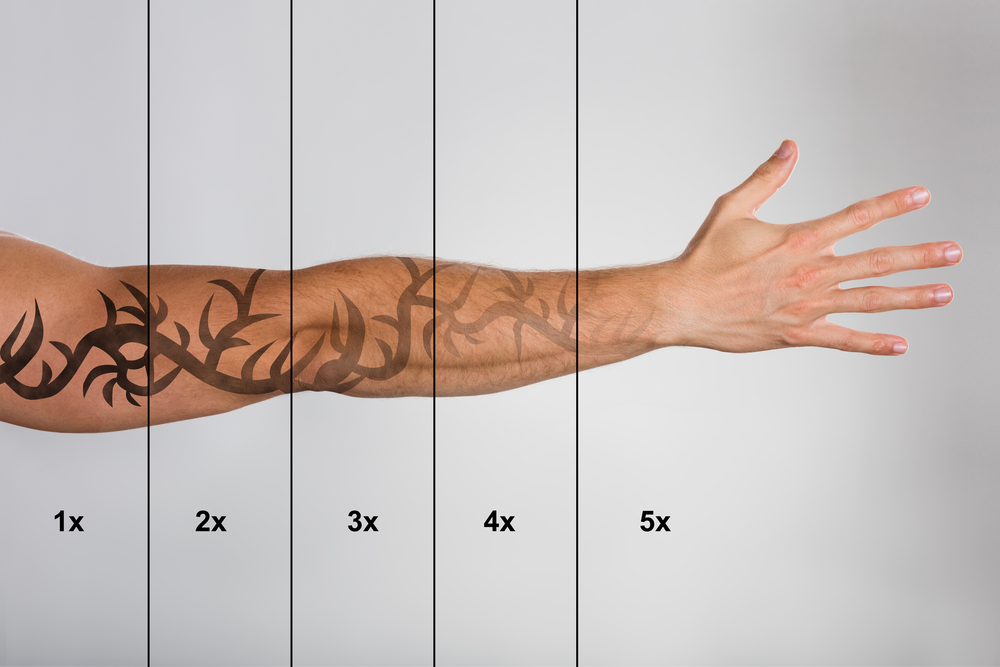
Laser tattoo removal works by breaking down the ink particles with focused light beams. The body then naturally eliminates these fragmented particles over time. This process requires multiple sessions spaced apart, allowing your body to clear the broken ink.

Frequency is Key:

Typical Schedule: Treatments are usually spaced 6-8 weeks apart. This allows enough time for your body to naturally eliminate the broken ink particles and minimize side effects.
Factors Influencing Frequency: The size, color, and depth of the tattoo, as well as your individual skin type and health, can affect the frequency.
Your Provider's Expertise: Your laser technician will assess your tattoo and skin type to determine the optimal treatment plan, including the frequency of sessions.

Why Spacing is Essential:

Optimal Ink Removal: Spacing allows your body time to remove the fragmented ink, maximizing the effectiveness of each session.
Minimizing Side Effects: Frequent treatments can increase the risk of scarring and pigmentation changes.
Cost-Effectiveness: While it may seem faster to treat more frequently, it often leads to increased treatment costs and potential side effects.

Important Notes:

Follow Your Provider's Instructions: Strictly adhere to your treatment schedule and any post-treatment care instructions.
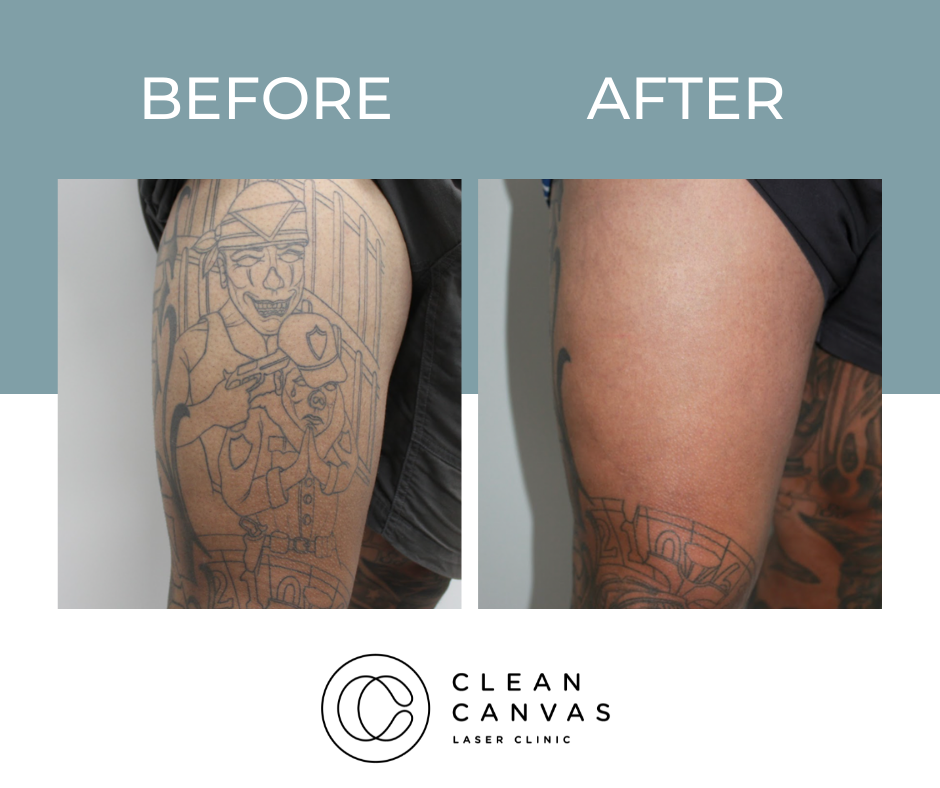
Patience is Key: Tattoo removal is a process, and it may take several sessions to achieve the desired results.
Be Realistic: While laser tattoo removal is highly effective, it may not completely erase the tattoo in all cases.

Consult with a Professional:

For personalized recommendations and to address any questions or concerns, consult with a qualified and experienced laser technician. They can provide a customized treatment plan, ensuring you get the best possible outcome for your specific situation.
How laser tattoo removal works

How laser tattoo removal works 1
How laser tattoo removal works 2


Tired of that impulsive tattoo? Want to reclaim your skin? Laser tattoo removal is a popular and effective solution. But how does it actually work? Let's break down the science behind this transformative procedure.

Targeting the Ink:

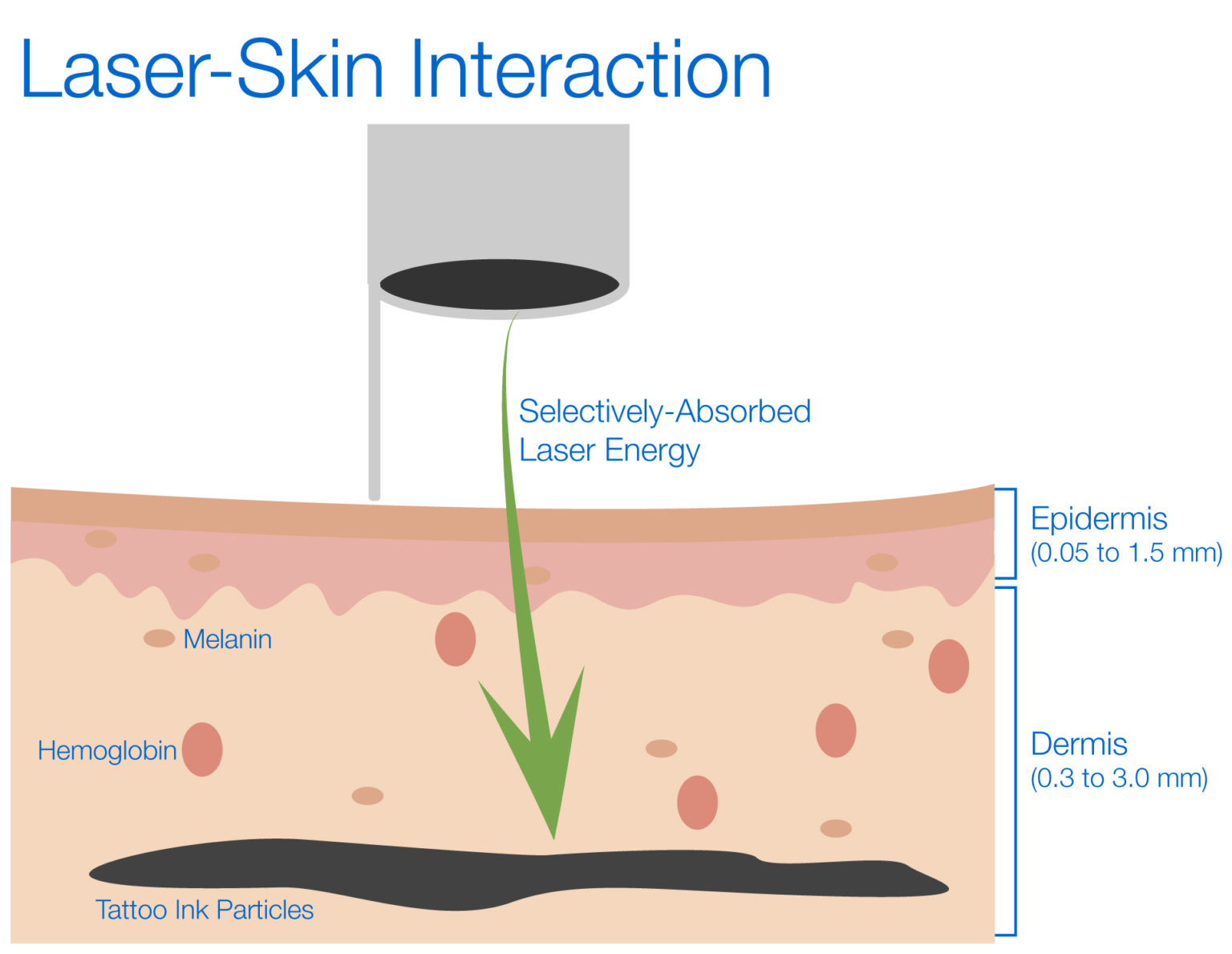
Laser tattoo removal relies on the principle of selective photothermolysis. This fancy name simply means the laser targets specific colors of ink without harming the surrounding skin. The laser emits a concentrated beam of light, carefully chosen to match the color of your tattoo ink.

Heat and Destruction:

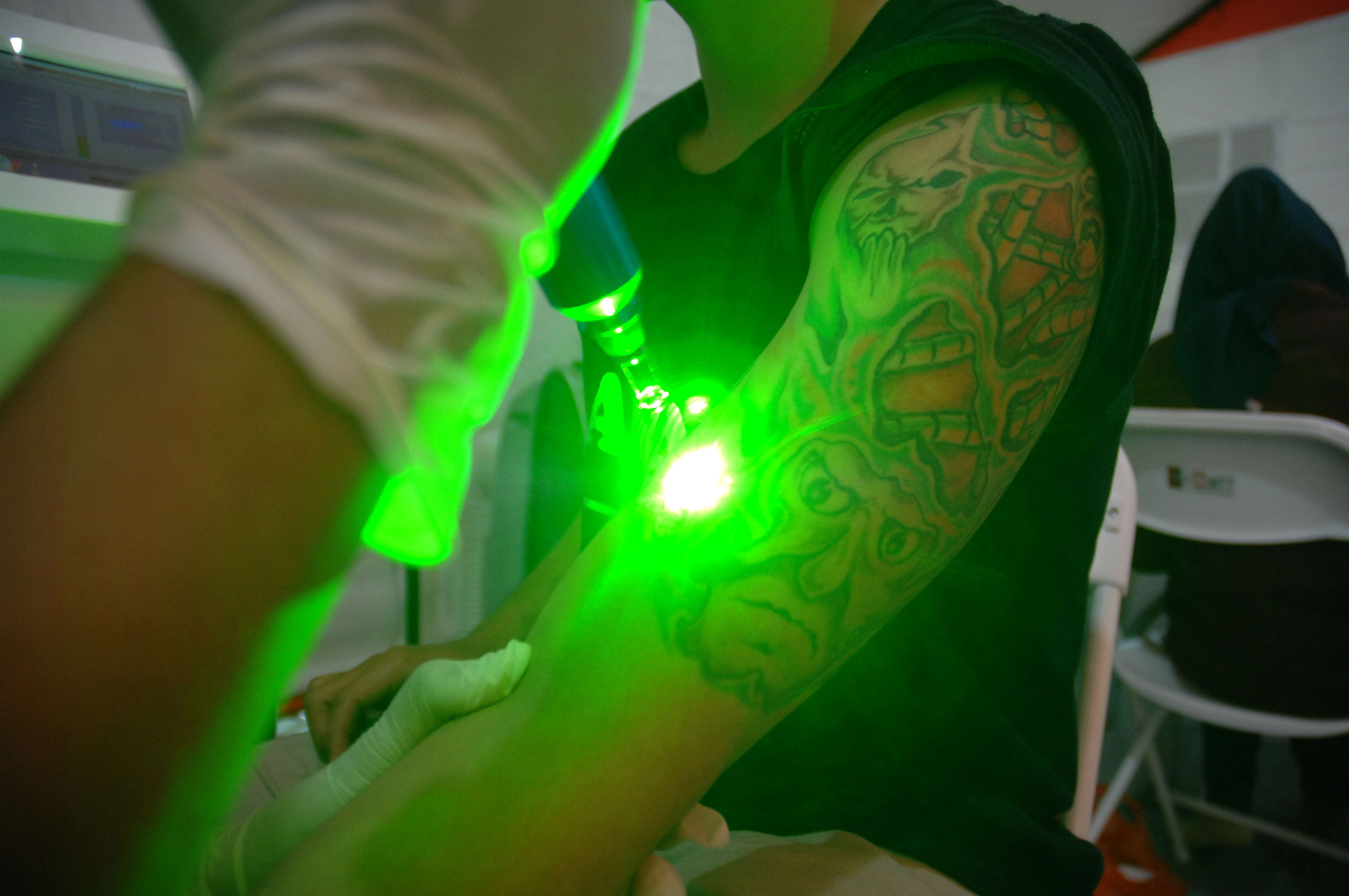
When the laser light hits the tattoo ink, it's absorbed and converted into heat. This heat energy breaks down the ink particles into tiny fragments that can be easily eliminated by your body's natural immune system. Think of it like a microscopic explosion, shattering the ink into manageable pieces.

The Process:

The procedure itself is relatively straightforward. Your tattoo artist or a qualified dermatologist will apply a topical numbing agent for comfort. Then, the laser is carefully directed over the tattoo in a series of passes, targeting the ink.

Multiple Sessions:

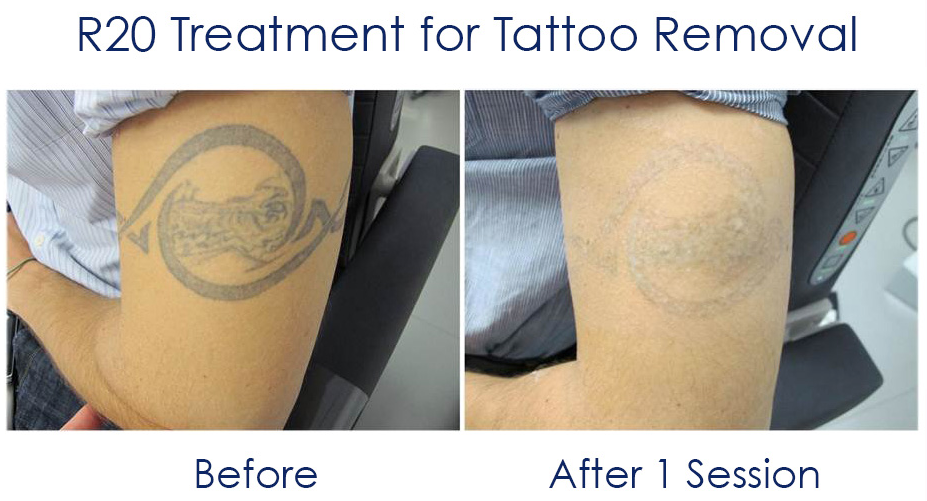
One crucial thing to remember: tattoo removal takes time. The body needs time to process and eliminate the broken-down ink fragments. You'll likely require several sessions, spaced a few weeks apart, to achieve optimal results.

Factors Affecting Results:

Several factors influence the effectiveness and speed of tattoo removal, including:

Ink Color: Darker colors like black and blue are easier to remove than lighter colors like yellow and green.
Ink Type: Professional tattoo ink generally responds better than homemade or non-professional ink.
Skin Type: Fairer skin typically requires fewer sessions than darker skin.
Tattoo Depth: Shallow tattoos respond quicker than deeper ones.

Potential Side Effects:

While laser tattoo removal is generally safe, there are potential side effects, such as:

Redness and Swelling: These are common and usually subside within a few days.
Crusting: A thin scab may form over the treated area.
Scarring: Though uncommon, scarring can occur, especially in individuals prone to keloid formation.

Choosing a Provider:

It's crucial to choose a qualified and experienced provider. Look for a dermatologist or a reputable medical spa with a proven track record.

Ready for a Fresh Start?

Laser tattoo removal offers a safe and effective way to erase unwanted ink. Remember to discuss your expectations and concerns with your provider. With proper treatment and patience, you can reclaim your skin and enjoy a blank canvas once again.

The true cost of laser tattoo removal: is it affordable?

The true cost of laser tattoo removal: is it affordable? 1
The true cost of laser tattoo removal: is it affordable? 2


Laser tattoo removal is a popular choice for those seeking to erase unwanted ink. However, before you jump into the process, it's crucial to understand the true financial commitment involved. It goes beyond just the initial cost, encompassing multiple sessions, potential maintenance, and the impact on your budget.

Beyond the First Session:

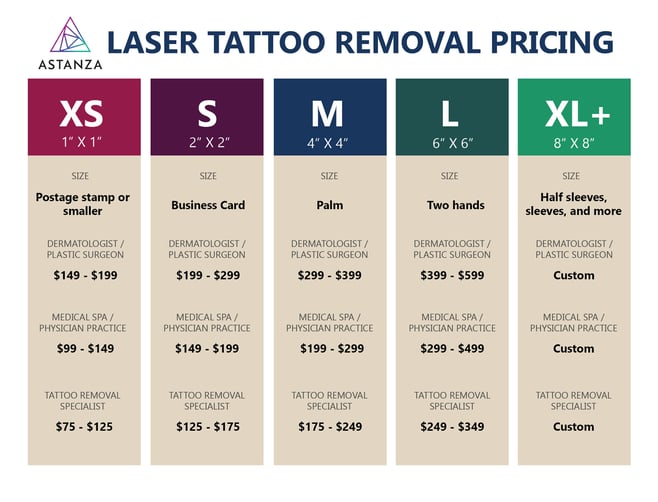
Many people are surprised to learn that laser tattoo removal isn't a one-and-done procedure. Multiple sessions are typically needed to achieve optimal results, often spaced a few weeks apart. Each session can cost hundreds of dollars, depending on the tattoo's size, color, and location.

Factors Influencing Cost:

Tattoo Size & Complexity: Larger, multi-colored tattoos require more sessions and laser energy, driving up the price.
Location: Tattoos on areas with thinner skin, like the face or neck, can be more challenging to treat, potentially increasing the cost.
Tattoo Ink: Darker inks, like black, are easier to remove than lighter colors, while certain colors, like red or green, can be more stubborn.
Clinic & Technician: Pricing varies significantly between clinics and individual technicians. Research and compare options before making a decision.

Beyond the Price Tag:

Maintenance: Depending on the tattoo and your skin, occasional touch-up sessions might be necessary to maintain the results.
Downtime: Laser tattoo removal can cause temporary redness, swelling, and bruising, potentially impacting work or social commitments.
Pain: The procedure can be uncomfortable, and some individuals experience significant pain, which might require additional pain management strategies.

Is Laser Tattoo Removal Affordable?

The answer depends on your individual circumstances. For those with smaller, simpler tattoos, the cost might be manageable. However, larger, more complex tattoos can become expensive, even exceeding thousands of dollars.

Tips for Affordability:

Research Thoroughly: Compare prices from different clinics and consider package deals.
Financing Options: Some clinics offer financing plans to help spread out the cost.
Prioritize: If you're on a budget, consider focusing on the most prominent or bothersome parts of the tattoo first.

Ultimately, the decision to pursue laser tattoo removal is a personal one. Understanding the true cost, including the financial commitment and potential impact on your life, will help you make an informed choice that aligns with your budget and goals.

Laser removal for colored tattoos

Laser removal for colored tattoos 1
Laser removal for colored tattoos 2


Getting a tattoo is a big decision, and sometimes, that decision needs to be reversed. While removing black ink is relatively straightforward, laser tattoo removal for colored tattoos presents its own set of challenges. Here's what you need to know:

Understanding the Difference:

Unlike black ink, which absorbs all wavelengths of light, colored pigments absorb specific wavelengths. This means laser treatment for colored tattoos requires multiple wavelengths to effectively target different colors. For example, green ink might require a different laser than red ink.

The Process & What to Expect:

Consultation: An initial consultation is crucial. A qualified technician will assess the tattoo, discuss your individual needs, and advise on the most effective treatment plan.
Multiple Sessions: Unlike black ink removal, colored tattoos often require more sessions due to the complexity of pigment breakdown.
Potential Complications: Colored tattoos may be more prone to scarring or changes in pigmentation. This is why it's crucial to seek treatment from a reputable clinic with experienced technicians.

Factors Affecting Success:

Pigment Color & Density: Lighter colors and less dense inks tend to respond better to treatment.
Tattoo Age: Fresh tattoos are easier to remove than older ones.
Skin Type & Health: Individuals with lighter skin may experience better results.
Individual Healing: Everyone heals differently, so results may vary.

Tips for Success:

Find a Reputable Clinic: Look for certified technicians with extensive experience in colored tattoo removal.
Ask Questions: Don't hesitate to inquire about the specific laser used, the number of sessions required, and potential risks.
Be Patient & Realistic: Colored tattoo removal takes time and commitment. Results are gradual, and multiple sessions are usually necessary.
Follow Aftercare Instructions: Adhering to post-treatment care is essential for optimal healing and results.

Remember: Laser tattoo removal is a personal journey. By understanding the intricacies of colored tattoo removal, you can make informed decisions and embark on your path to a clear canvas.

Laser removal of tattoo in stages


Getting a tattoo is a big decision, but sometimes life takes unexpected turns, and you might find yourself wanting to erase that ink. Laser tattoo removal offers a safe and effective solution, but it's not a quick fix. This process typically involves multiple sessions spaced apart, each targeting the tattoo's ink with a focused laser beam.

Stage 1: Consultation & Preparation

Your journey begins with a consultation with a qualified dermatologist or plastic surgeon. They'll assess your tattoo, its colors, depth, and location, and discuss your goals. This consultation is vital for understanding the removal process, expected outcomes, and potential risks.

Stage 2: The First Treatment

During the first treatment, the laser emits concentrated beams of light that break down the tattoo ink into tiny particles. Your body's immune system then removes these particles naturally. You might experience mild discomfort, similar to a rubber band snapping, and some redness and swelling afterward.

Stage 3: Healing & Repeat Treatments

The healing process takes a few weeks, during which time you'll need to follow your doctor's instructions for aftercare. This might include keeping the treated area clean, applying antibiotic ointment, and avoiding sun exposure.

Stage 4: Subsequent Sessions & Results

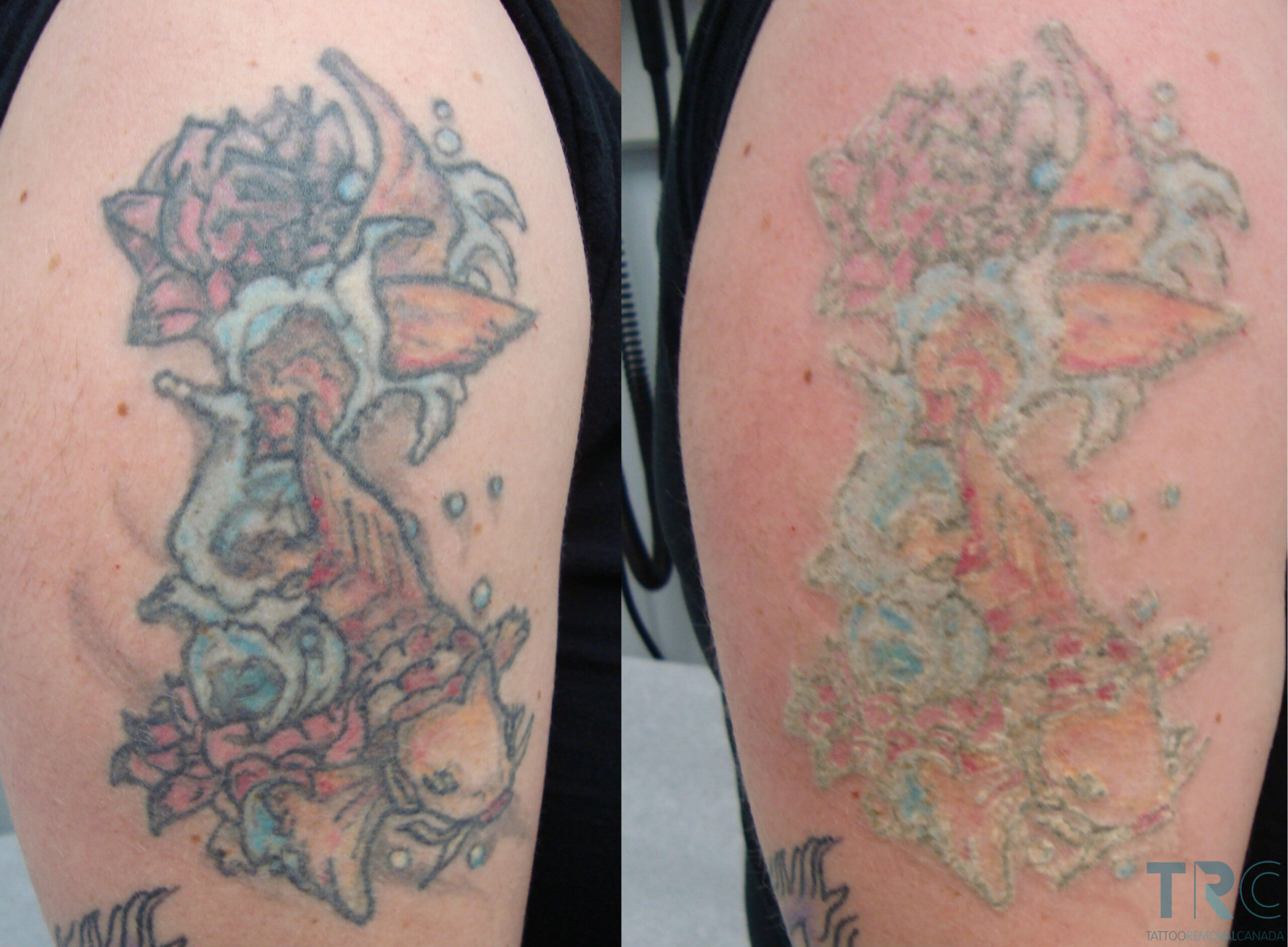
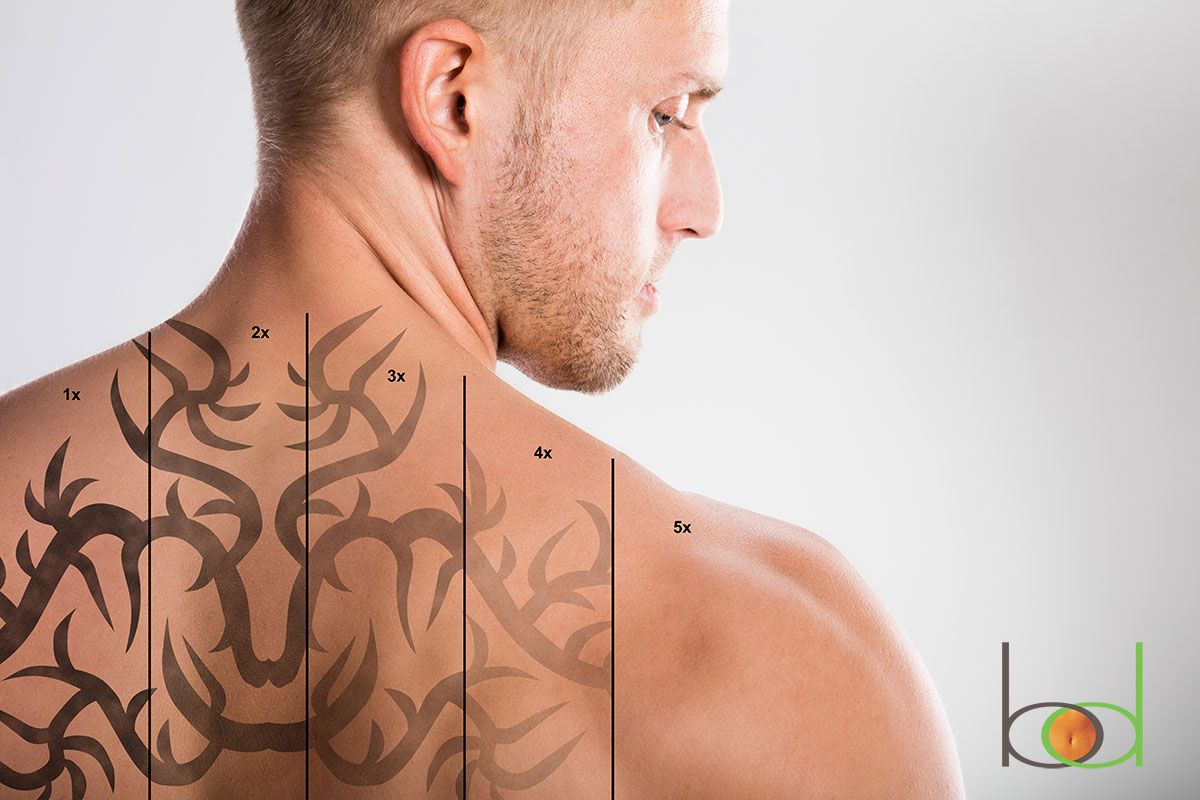
Laser tattoo removal usually requires several sessions, typically spaced 4 to 8 weeks apart. Each session targets the remaining ink particles, gradually fading the tattoo. The number of sessions depends on various factors, including tattoo size, ink type, and skin tone.

Important Considerations:

Not all tattoos are created equal: The color and depth of the ink affect the removal process. Darker colors, such as black, are typically easier to remove than lighter colors.
Individual responses vary: While some people experience noticeable fading after just a few treatments, others may require more sessions.
Maintenance is key: After removal, it's essential to protect the treated area from the sun to prevent the skin from becoming discolored.

Laser tattoo removal is a journey, not a destination. Patience, proper care, and communication with your doctor will lead you towards a clean slate. Remember, this is a collaborative process, so don't hesitate to ask questions and address any concerns you have.

Types of laser tattoo removal

Types of laser tattoo removal 1
Types of laser tattoo removal 2


Tired of your old tattoo? Laser tattoo removal offers a safe and effective way to erase unwanted ink. But navigating the world of lasers can be confusing. This guide breaks down the common types of laser technology used for tattoo removal, helping you make an informed decision:

1. Q-Switched Lasers:

The most popular type, Q-Switched lasers emit high-energy pulses of light that target the tattoo pigment. The light is absorbed by the ink, breaking it down into smaller particles that are then eliminated by your body's natural processes.

Types:
Nd:YAG: Effective on dark inks, including black, blue, and green.
Alexandrite: Best for red and yellow inks.
Picosecond Lasers: A newer technology that delivers even shorter, more powerful pulses, potentially leading to faster removal and less scarring.

2. Fractional Laser:

This technique uses a laser to create small, controlled wounds in the skin, stimulating collagen production. While it doesn't directly target the ink, it can help break down the tattoo's structure and make it less visible, particularly for older, faded tattoos.

3. Other Emerging Technologies:

Plasma Ablation: This non-laser technique uses a plasma beam to remove tattoo pigment, potentially causing less scarring than traditional lasers.
Photoacoustic Tattoo Removal: This method uses sound waves to break down tattoo ink. It is still in early development but shows promise.

Choosing the Right Technique:

The best laser for you depends on various factors, including:

Ink colors: Different lasers are more effective at targeting specific colors.
Tattoo depth: Deeper tattoos require more treatments.
Skin type: Your skin tone and sensitivity can influence treatment options.

Important Considerations:

Find a qualified professional: Choose a board-certified dermatologist or plastic surgeon with experience in laser tattoo removal.
Multiple treatments are required: It usually takes several sessions to fully remove a tattoo, with spacing of several weeks between treatments.
Potential side effects: These include redness, swelling, blistering, and scarring.

Laser tattoo removal is a complex process that requires careful planning and expert execution. Consulting with a qualified professional can help you understand the various techniques and make the best decision for your specific needs.

Thursday, November 7, 2024

Thinking about laser tattoo removal? here’s what you need to know

Thinking about laser tattoo removal? here’s what you need to know 1
Thinking about laser tattoo removal? here’s what you need to know 2


Tattoos, once a symbol of individuality, can sometimes become a regretful mark on your skin. Fortunately, laser tattoo removal offers a safe and effective solution to erase unwanted ink. But before you book your appointment, here's what you need to know:

How Does Laser Tattoo Removal Work?

Laser tattoo removal uses concentrated beams of light to break down the ink pigments in your skin. The laser targets specific colors, shattering the ink particles into tiny fragments that are then naturally absorbed by your body.

What to Expect During Treatment:

Multiple Sessions: Laser tattoo removal is a gradual process. Most tattoos require several sessions spaced a few weeks apart.
Discomfort: You'll likely experience some discomfort, similar to a rubber band snapping against your skin.
Redness and Swelling: These are normal side effects that usually subside within a few days.
Skin Color Change: The treated area may become lighter or darker temporarily.

Factors Affecting Success:

Tattoo Color: Darker inks like black and blue are easier to remove than lighter colors.
Tattoo Age: Older tattoos tend to be more difficult to remove.
Skin Type: Individuals with fair skin often experience better results.
Tattoo Artistry: Professionally-done tattoos with solid ink distribution generally respond better.

Choosing a Reputable Provider:

Certified Medical Professionals: Seek out a qualified dermatologist, plastic surgeon, or licensed medical spa with experienced technicians.
Modern Equipment: Ensure they use FDA-approved lasers designed for tattoo removal.
Consultation: Schedule a consultation to discuss your tattoo and receive realistic expectations about treatment.

Beyond the Treatment:

Sun Protection: Avoid sun exposure on the treated area to prevent hyperpigmentation.
Aftercare Instructions: Follow your provider's instructions meticulously for optimal healing and minimizing risks.

Cost Considerations:

Number of Sessions: The more sessions needed, the higher the cost.
Tattoo Size: Larger tattoos require more time and laser energy.
Location: Costs vary depending on your geographic location.

Laser tattoo removal can be an excellent option to reclaim your skin. With proper research, realistic expectations, and a reputable provider, you can bid farewell to your unwanted ink and embrace a fresh canvas.